Now
80°
Fri
93°
Sat
92°
by Nick Karmia
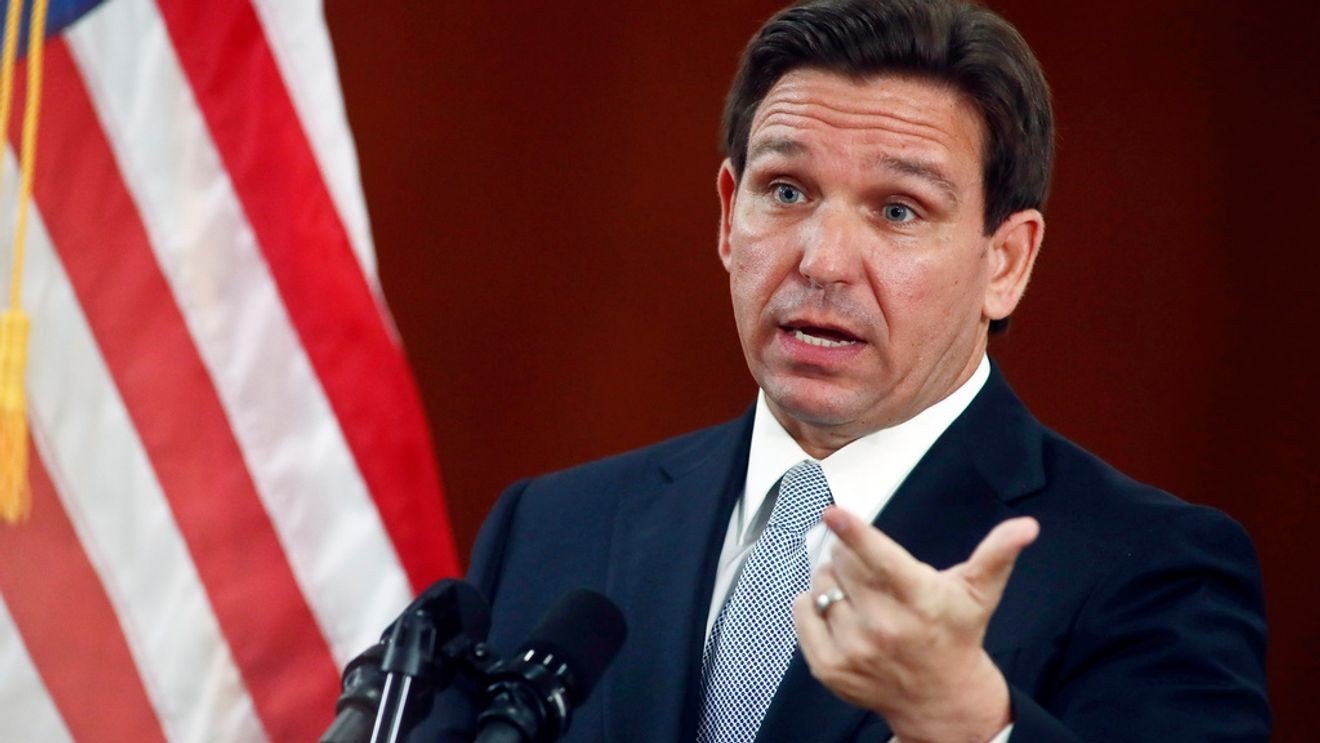
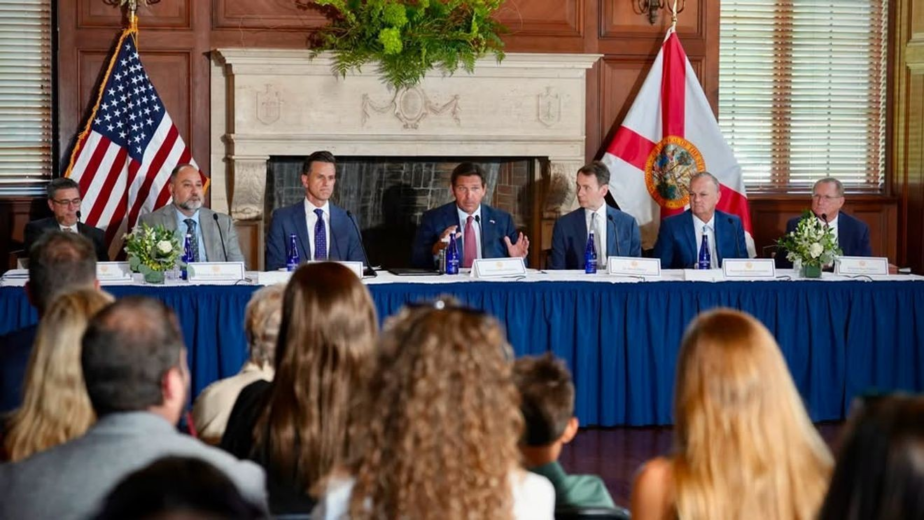
TALLAHASSEE, Fla. — Gov. Ron DeSantis will leave the Governor's Office in January, but the political value of his name could last beyond his time inside it.
The term-limited Republican remains popular in Florida, with a 2026 poll putting his job approval at 57%. But as DeSantis approaches the end of eight years in office, a different question is emerging: How much of that popularity can he transfer to another candidate?
DeSantis has been selective about whom he formally backs this election cycle — including declining to endorse his own lieutenant governor in the Republican primary to replace him.
Lt. Gov. Jay Collins ran as an ally of the administration who would continue much of the DeSantis agenda. DeSantis appointed Collins lieutenant governor last year but stopped short of formally supporting his gubernatorial campaign.
Collins told FOX49 before Tuesday's primary that he accepted the decision.
"And you know, I don't have a problem, but that's where he chooses to be. I'm good with it," Collins said.
Still, Collins acknowledged why an endorsement from someone in his position can matter.
"Our governor is a very conservative man that he's openly said he doesn't like playing in primaries, especially in the race of this magnitude," Collins said. "I don't think I've actually supported anybody in any primary from this position because it comes with a lot of gravity."
Collins finished a distant second Tuesday with about a quarter of the Republican primary vote. U.S. Rep. Byron Donalds won with nearly half the vote and advanced to face Democratic nominee David Jolly in November. Donalds had President Donald Trump's endorsement — but not DeSantis'.
The distance between DeSantis and Donalds predates Tuesday's election.
After Trump endorsed Donalds early in the race, DeSantis questioned the congressman's role in advancing Florida's conservative agenda.
"You got a guy like Byron, he just hasn't been a part of any of the victories that we've had here over the left over these last years," DeSantis said in February 2025. "He's just not been a part of it."
Donalds had previously endorsed Trump over DeSantis during the 2024 Republican presidential primary.
Now Donalds is the Republican nominee to inherit DeSantis' job. But DeSantis still has not publicly endorsed him, and when asked Wednesday whether he would campaign for Donalds this fall, the governor stopped short of committing.
DeSantis said he expects to remain focused on state policy until his term ends and argued Florida's statewide political environment strongly favors Republicans.
He has been willing to use his endorsement elsewhere.
Following Tuesday's primary, DeSantis backed Republican Ryan Elijah in Florida's 7th Congressional District after Elijah defeated incumbent Rep. Cory Mills. Days before the election, DeSantis had publicly said he did not support Mills but declined at the time to endorse one of his challengers.
Joshua Scacco, a University of South Florida professor who studies political communication, said a DeSantis endorsement can provide something beyond a recognizable name on a campaign advertisement.
"The governor's endorsement represents a signal and particularly represents a signal to donors," Scacco said. "It represents a signal to sort of like the grassroots of people who are going to knock on doors or make phone calls or, you know, be the engine that runs a campaign."
Scacco said the endorsement could also open fundraising channels. DeSantis' continued popularity among Republican voters, he said, means his backing still "holds some significant weight."
But that weight has limits.
DeSantis won reelection by 19.4 percentage points in 2022, a landslide that transformed his national political profile. Four years later, his unsuccessful presidential campaign is behind him, he cannot seek another consecutive term as governor and Florida Republicans are already choosing the politicians who will lead the party after he leaves office.
"In general, the lame duck status does tend to reduce the power of the elected official, not only just from a governing perspective, but also from a campaign perspective," Scacco said.
Scacco said DeSantis nevertheless retains fundraising ability, a communications operation and campaign infrastructure that could benefit candidates he chooses to support.
The bigger limitation could emerge when Republican nominees need voters outside their party in November.
"In many ways, in a polarized political environment where the governor's endorsement is going to mean the most, it's an activating that base of Republican voters," Scacco said. "There's going to be very little carryover to the effect that it will have on sort of those middle of the road independent voters."
That distinction could become increasingly important over the next three months.
DeSantis may still have political capital to spend. With his governorship nearing its end, the candidates he chooses to spend it on — and the voters who listen — could provide one final measure of how far his influence extends beyond the Governor's Office.
2026 Sinclair, Inc.
DeSantis endorsement: How much power does his backing still carry with Florida voters? – wtwcfox