Now
86°
Fri
88°
Sat
91°
President Trump participates in a Team USA reception at the White House.
by Eric Weiss
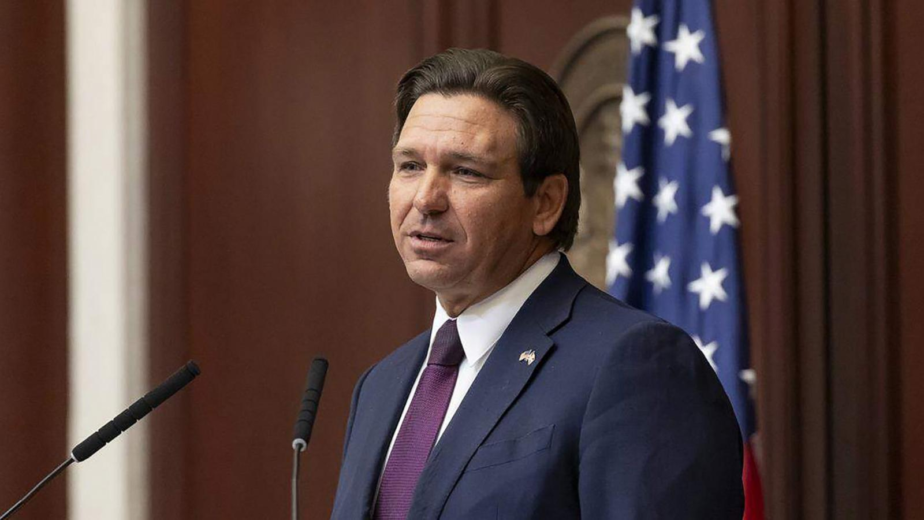
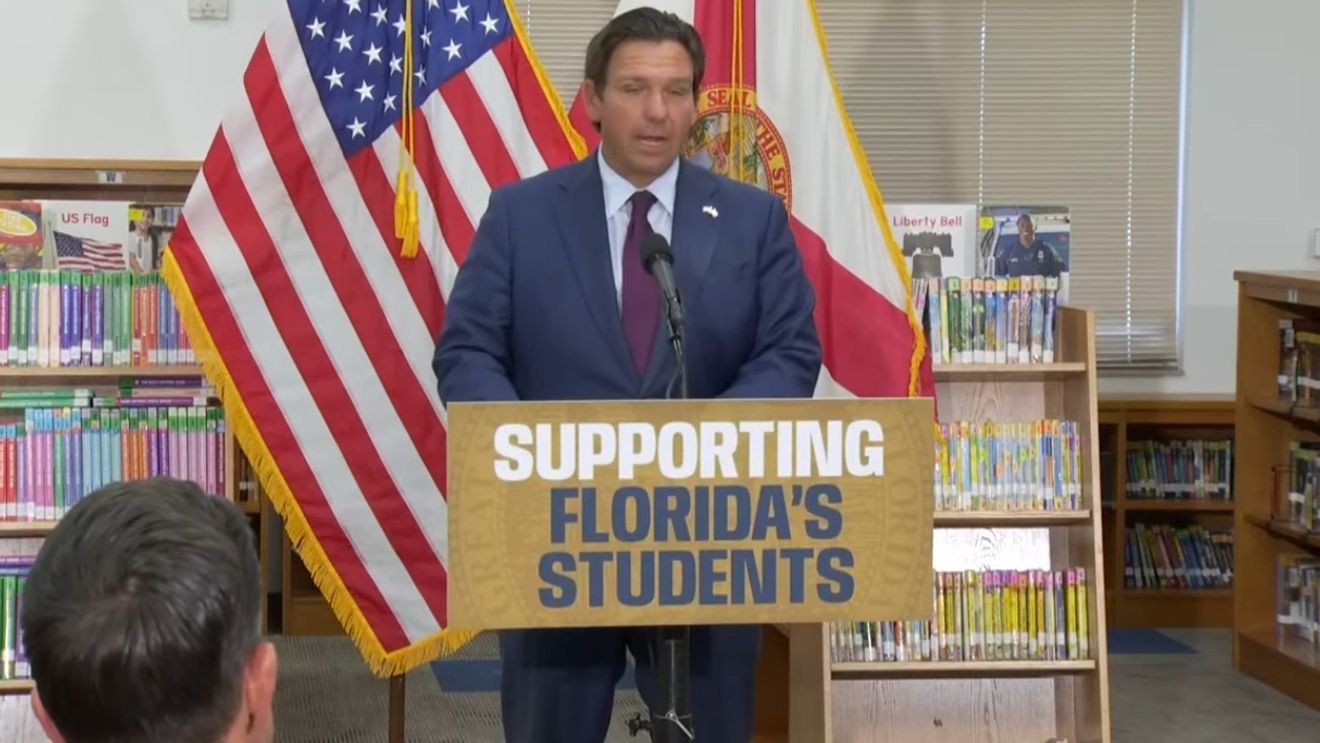
LEHIGH ACRES, Fla. (CBS12) — Gov. Ron DeSantis highlighted improvements in Florida schools, increased teacher salaries and expanded education choice Thursday during a news conference marking the start of the new academic year.
Speaking at Tortuga Preserve Elementary School in Lee County, DeSantis was joined by newly appointed Education Commissioner Henry Mack and local school officials. The governor used the event to promote his administration’s education policies and point to gains in school grades, graduation rates and student achievement.
“We’ve got a lot of momentum,” DeSantis said. “We want to continue it forward.”
DeSantis said 76% of Florida schools earned an A or B grade for the 2025-26 school year, while 60% either maintained an A or improved from the previous year. He also cited a record statewide high school graduation rate of 92.2%.
For the first time, more than 60% of Florida students are performing at or above grade level in both English language arts and mathematics, according to figures cited by the governor.
DeSantis credited part of that improvement to Florida’s progress-monitoring system, which replaced a single high-stakes year-end test with multiple assessments throughout the school year.
“Progress monitoring has worked,” DeSantis said, arguing that the system gives teachers, parents and students time to address academic deficiencies before the end of the year.
Since the system was introduced, the percentage of students performing at or above grade level increased from 49% to 61% in English language arts and from 53% to 62% in mathematics, DeSantis said.
The governor also emphasized teacher compensation, saying the state has provided $7 billion in additional salary funding since he took office. Florida’s average minimum teacher salary has risen from about $39,000 to nearly $51,000, while the current state budget includes $200 million for raises for teachers with at least 10 years of experience.
“There’s never been that much money in Florida history that’s been dedicated to teacher salaries,” DeSantis said.
DeSantis also defended Florida’s universal school-choice system, arguing that giving families more options forces traditional public schools, charter schools and other education providers to compete for enrollment.
“Parents have options, and you need to provide options,” he said.
He said roughly 1.6 million Florida students attend a school other than their assigned neighborhood school, including students who transfer within public school districts.
School safety was another major focus. DeSantis said Florida has invested more than $3 billion in campus security since he took office following the 2018 mass shooting at Marjory Stoneman Douglas High School in Parkland.
Those efforts include safe-school officers on every public school campus, threat-assessment teams, the Fortify Florida reporting system, Alyssa’s Alert and the voluntary School Guardian program.
DeSantis said the state’s goal is to identify threats before they escalate, calling early intervention “absolutely critical.”
Mack, who recently returned to Florida after serving in the Trump administration, said his priorities would include expanding workforce education, apprenticeships and technical certification programs.
He argued that students should be offered alternatives to a four-year college degree and said apprenticeship participants can often earn more than workers who enter the same occupation after completing a traditional college program.
Lee County Superintendent Denise Carlin also highlighted local progress. She said the district recorded its highest grade-point total in a decade, eliminated D- and F-rated schools and reached an overall graduation rate of 89.8%.
Carlin said the district aims to earn an A rating by 2028.
During a question-and-answer session, DeSantis endorsed a proposed constitutional amendment that would gradually expand the homestead exemption for non-school property taxes. He acknowledged that the measure is less extensive than his original proposal but called it a significant source of potential relief for homeowners.
“I’m enthusiastic about voting for it,” DeSantis said.
The governor also previewed a forthcoming review of Florida’s public universities. He said the report would examine academic rigor, ideological content, program costs and the employment prospects associated with different degrees.
DeSantis argued that the state should scrutinize programs that leave students deeply in debt without improving their career prospects, saying the review could lead to a “reevaluation” or “recalibration” of some offerings.
He closed by promising aggressive enforcement against fraudulent education providers that misuse public scholarship or education-savings-account funds.
“If it’s not legitimate, you’re going to have a very, very swift response,” DeSantis said.
2026 Sinclair, Inc.