

Introduction to Florida Cattle Ranching
Florida’s cattle ranching industry has a rich history that dates back to the Spanish colonial era in the 16th century, when cattle were first introduced to the region. The cattle quickly adapted to the subtropical climate and became integral to the local economy. Early settlers established herds of cattle to provide food and labor, which laid the foundation for a thriving agricultural sector. Over the years, cattle ranching evolved, reflecting changes in both economic conditions and environmental factors.
The state’s unique environmental conditions, including its warm temperatures, abundant rainfall, and diverse pasturelands, have made Florida an ideal environment for raising cattle. These factors have contributed to the development of a distinct cattle ranching culture in Florida. Ranchers often employ extensive grazing methods, utilizing open pastures that support various breeds, from Brahman to Angus. The state’s distinctive topography and climatic conditions also influence the selection and management of breeds suited for the region.
Cattle ranching in Florida has not just been an economic venture; it also plays a significant role in the cultural landscape of the state. The lifestyle associated with ranching, emphasizing community, family, and heritage, is celebrated through events such as county fairs and rodeos. Furthermore, ranching has significantly contributed to Florida’s rural identity, bringing together generations of families who pass down their knowledge and skills in cattle breeding and management.
Today, Florida stands as one of the top cattle-producing states in the United States, showcasing a fusion of traditional practices and modern technology. The evolution of the cattle industry in Florida illustrates the interplay of historical significance, environmental adaptability, and cultural identity within the state’s agricultural framework. Understanding this heritage is essential for exploring the popular cattle breeds that thrive in Florida’s unique ranching landscapes.
Major Cattle Breeds in Florida
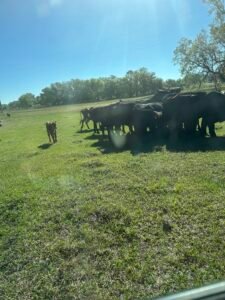
Florida’s diverse climate and rich grazing lands support a variety of cattle breeds, each adapted to thrive under specific conditions. Among the most popular cattle breeds in the state, the Brahman, Hereford, and Angus are noteworthy for their unique characteristics and contributions to the local ranching industry.
The Brahman breed, which is easily recognized by its large hump and loose skin, is renowned for its remarkable heat tolerance. Originating from India, these cattle exhibit a unique adaptation to high temperatures and humidity, making them particularly well-suited for Florida’s warm climate. Brahmans are often utilized in crossbreeding programs to improve the resilience and productivity of other cattle breeds. They are primarily raised for beef production, prized for their lean meat and ability to thrive on less nutritious forage, which is a crucial advantage in the diverse grazing environments found in Florida.
Another prominent breed is the Hereford, widely appreciated for its outstanding meat quality. Known for their white faces and red bodies, Herefords are reared primarily for beef production, characterized by high marbling and tenderness. Their adaptability to varying climatic conditions, along with their calm demeanor, makes them a favorite among ranchers. In Florida, these cattle are utilized extensively in pasture-based systems, where their foraging ability allows them to efficiently convert forage into high-quality beef.
Lastly, the Angus breed, particularly the Black Angus, is highly regarded for its excellent marbling and flavorful beef. With a strong reputation in the market, Angus cattle are often seen as a premium choice for beef production. Florida ranchers appreciate the breed’s ability to thrive in various environmental conditions, as well as their efficient growth rates. As beef demand continues to rise, the Angus breed plays a vital role in meeting supply needs while ensuring quality standards.
Each of these cattle breeds contributes significantly to Florida’s agricultural landscape, showcasing the state’s rich ranching heritage and commitment to producing quality beef.
The Economic Impact of Cattle Farming in Florida
Cattle farming plays a pivotal role in the economy of Florida, contributing significantly to the state’s agricultural output. The beef industry is a major economic driver, with cattle production valued at over $1 billion annually. Florida ranks among the top states in cattle production, showcasing its robust ranching sector that has adapted to changing market needs and environmental considerations.
One of the critical aspects of Florida’s cattle farming sector is its alignment with sustainable practices. Many ranchers are adopting innovative methods in land management and animal care, which not only enhances the quality of the beef produced but also preserves the state’s natural resources. Techniques such as rotational grazing and integrated pest management minimize the ecological footprint, allowing for long-term productivity while maintaining biodiversity.
Additionally, cattle farming creates thousands of jobs within the beef supply chain. This encompasses not only ranching but also related industries such as feed production, veterinary services, and meat processing. The employment opportunities generated by the cattle industry are vital, particularly in rural areas where few other job options may exist. Studies indicate that a single ranch can have a wide-reaching effect on the local economy, supporting businesses from equipment suppliers to grocers, thereby fostering community growth.
Looking ahead, the future of Florida’s cattle industry seems promising, albeit with challenges. As competition increases from other states such as Texas and Nebraska, Florida ranchers are focusing on niche markets, including organic and grass-fed beef. This strategy aims to cater to evolving consumer preferences and enhance profitability. By investing in education and technology, the cattle industry in Florida is poised to maintain its significance in the agricultural landscape while addressing sustainability and economic resilience.
Challenges and Innovations in Florida Cattle Farming
Cattle farming in Florida faces a variety of challenges that ranchers must navigate to sustain their operations. One significant concern pertains to environmental impact, particularly in the areas of land degradation and water usage. As ranchers work to balance productivity with ecological preservation, sustainable ranching practices are becoming increasingly important. These methods include rotational grazing and improved pasture management, which not only help in maintaining soil health but also contribute to carbon sequestration efforts, thereby mitigating some environmental concerns associated with cattle farming.
Another challenge is disease management, which has been a longstanding issue for cattle ranchers. The prevalence of various diseases can significantly affect herd productivity and, consequently, the overall profitability of ranching operations. Innovations in veterinary science, such as the development of vaccines and advanced diagnostic tools, are proving essential for effective disease control. Moreover, ranchers are adopting integrated pest management systems, which incorporate biological controls coupled with traditional methods to minimize the risk of outbreaks within cattle populations.
Market volatility represents a further challenge that requires ranchers to remain agile and informed. Fluctuations in beef prices can lead to unpredictable income streams, compelling ranchers to explore diversification of their operations. The incorporation of technology, such as precision agriculture and data analytics, enables ranchers to make informed decisions regarding grazing patterns, feed efficiency, and overall cattle health. This technological integration not only minimizes costs but also enhances productivity.
In addition, genetic advancements play a crucial role in overcoming these challenges. By selecting for traits that confer better resilience to environmental and health stresses, ranchers can enhance the overall hardiness and efficiency of their herds. As Florida’s cattle farming sector continues to evolve, it stands at the forefront of adopting innovative practices that ensure a sustainable and profitable future.
